A familiar name among the finalists for the new euro banknotes: Neue Gestaltung
July 28, 2026
EDAwards Winner, Germany, Graphic Design, Typography
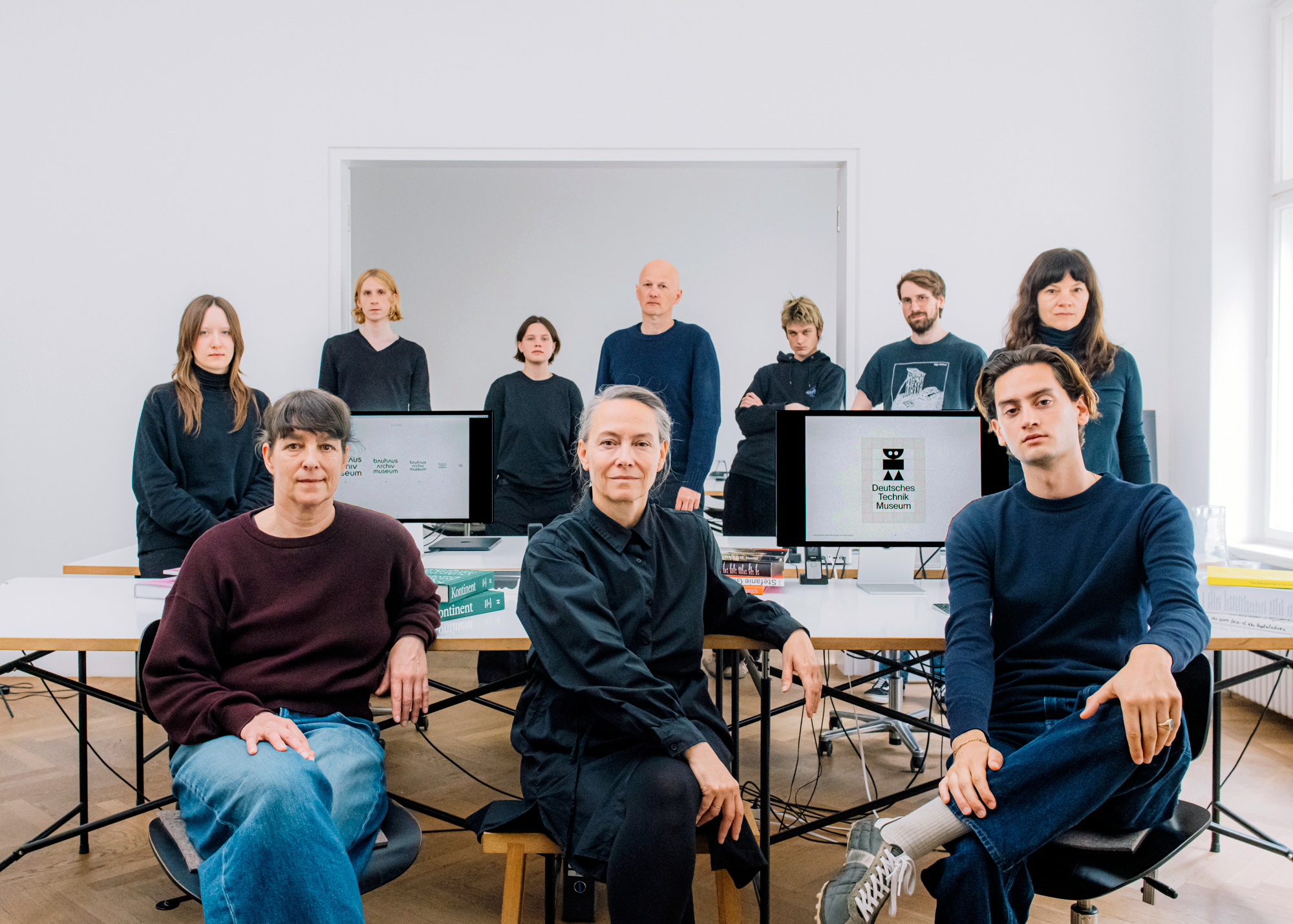
On 23 July 2026, ECB President Christine Lagarde presented the ten design proposals shortlisted for the next series of euro banknotes — the first full redesign of the currency since its introduction in 2002. Among the finalists is the Berlin-based Neue Gestaltung, multiple-time award winner at the European Design Awards.
The redesign process began with an open call that drew more than 1,200 submissions from graphic designers across the EU. Twenty-five studios and individual designers were invited to develop full proposals around one or both of two themes set by the ECB: “European Culture” and “Rivers and Birds.” A 21-member jury, nominated by the euro area’s national central banks and drawn from graphic design, communications, neuroscience and history, narrowed the field down to ten finalists — five proposals per theme.
Neue Gestaltung’s entry, developed for the “European Culture” theme, is built around a question the studio kept returning to throughout the process: what actually holds Europe together? Every design decision was tested against it.
The ECB set six personalities as the fixed motif for this theme, shown identically across all five finalists in the category. So what distinguishes Neue Gestaltung’s proposal isn’t the selection, but the treatment. Each note follows a three-part composition with no hierarchy between its parts: a functional zone, a central motif, and the personality, a logic mirrored on the reverse. There, a map of Europe is overlaid with fine lines tracing the constellations that once guided travellers — the continent read as both geography and shared sky, a frame older than any national border. The studio also drew an entirely new typeface for the series, extending the idea of a shared cultural space into the typography itself. Saturated, consistent colours and clear, distinct imagery complete the system.
Asked why the studio entered a competition unlike anything in its usual output of cultural and editorial identities, Managing Director Eva Wendel points to what the two actually have in common: “The chance to design a banknote comes once in a designer’s lifetime, so the question was never whether to enter, only whether we could find an answer that deserved the object. In the end it felt closer to our cultural work than we expected. A museum identity also has to work for everyone who walks through the door, no matter what they know beforehand. What changes with a banknote is the scale of that responsibility, and the timeframe. A book is read once, an identity lives for maybe ten years. A banknote passes through millions of hands for decades, so every decision has to survive being looked at a thousand times. That is a wonderfully humbling brief: it takes away any room for cleverness and leaves only clarity.”
That restraint was a deliberate stance, not a default. With cash increasingly framed as a disappearing technology, the studio resisted the pull toward retrospective homage in favour of what it calls timeless clarity: reduction as a form of respect for the reader, the hand, and the decades a note has to survive in circulation.
The ECB’s published jury assessment of the proposal singles out its use of the map and the representation of diverse people as creating a strong sense of community, notes that its structure maintains continuity with the current series, and points to the saturated colours as ensuring each denomination remains clearly distinguishable.


No strangers to the podium
For those who follow the European Design Awards, Neue Gestaltung’s presence on this shortlist won’t come as a surprise. Founded in Berlin in 1995 by Pit Stenkhoff and Eva Wendel, the studio has been a fixture of our winners’ list since first entering in 2012, currently ranking #10 in our overall Agencies League with 3 Gold, 4 Silver and 4 Bronze awards to date. Their recent wins include Gold for Staatstheater Mainz’s premiere posters, Gold for Side Magazine, and Silver for Theatre Magdeburg’s programme booklets — the same sensibility for editorial clarity and cultural storytelling now applied to a brief with a rather different print run: potentially billions of banknotes.
What happens next
The ten shortlisted proposals are open for public feedback in an online survey running until 21 September 2026, alongside a parallel representative survey conducted across the euro area. The results of both, together with the jury’s recommendations and technical assessments, will inform the ECB Governing Council’s final decision, expected by the end of 2026. The winning design will then go through further development and testing before entering production, with the new notes not expected to reach wallets before 2028 or 2029.
Whichever design is chosen, it’s a genuinely rare kind of brief: a visual identity meant to sit, unchanged, in the hands of thousands of millions of people for years to come. We’ll be watching to see whether one of our own makes the final cut.
Cast your vote in the ECB’s public survey, and see all ten proposals, at ecb.europa.eu.
